Home › Articles and University Guides › Late discontinuation submission guide
Process and evidence guide
How to Write a Strong Late Discontinuation or Special Circumstances Submission
Students rarely struggle because they have nothing to say. They struggle because the submission tries to tell the whole story emotionally, while the university is testing a narrower set of questions about timing, seriousness, study impact, delay, and proof. A stronger file closes that gap.
Quick answer
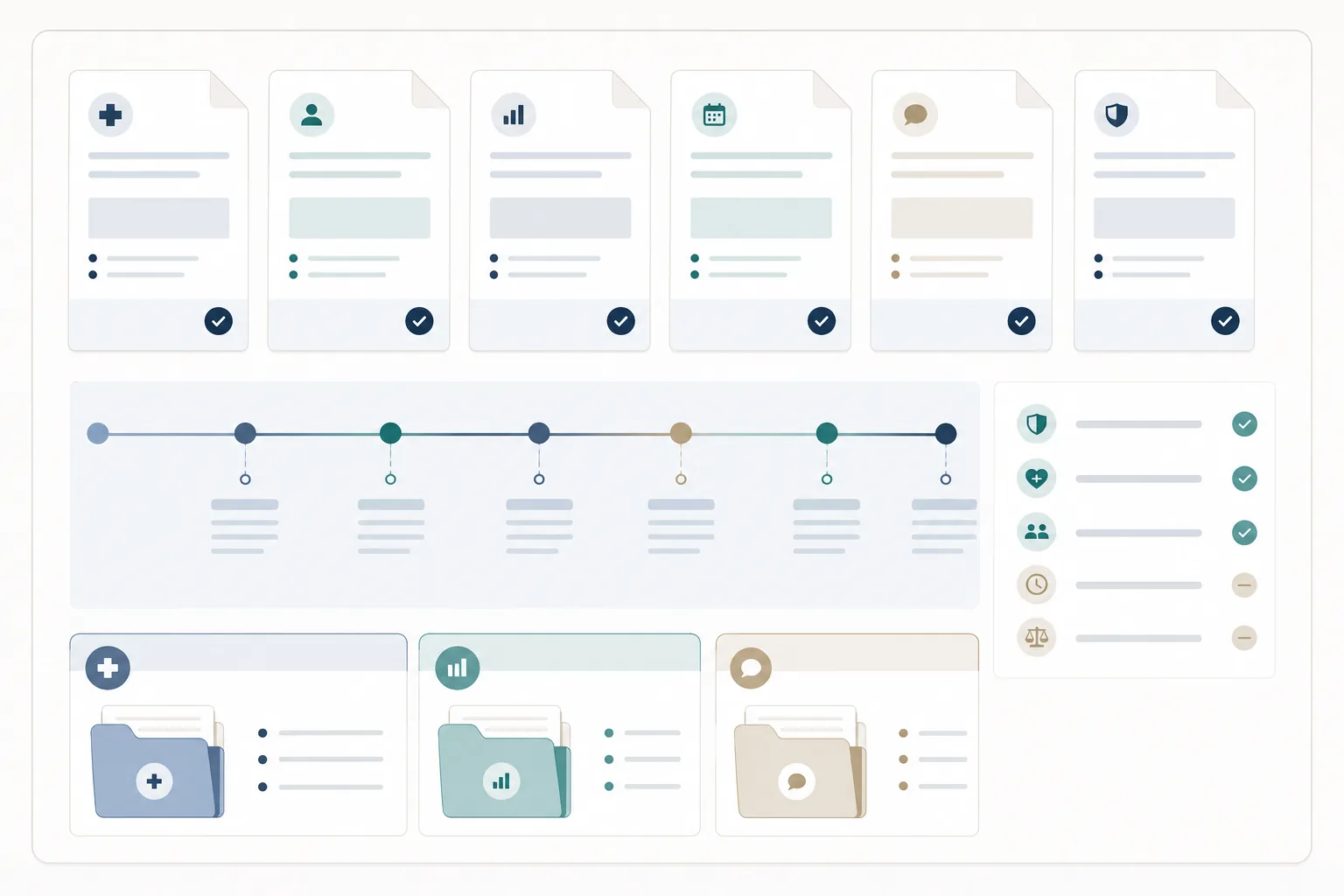
A stronger late discontinuation or special circumstances submission usually does six things clearly. It identifies the correct policy pathway, gives a dated chronology, explains what happened and why it mattered, shows why the key impact falls within the relevant policy test, links the circumstances to the actual unit outcome, and points to evidence that proves each part instead of leaving the decision-maker to infer it.
What this page helps you do
- Turn a real story into a policy-linked submission instead of a general hardship statement.
- Structure the chronology first so dates, census timing, deterioration, and filing delay are easier to assess.
- Use evidence deliberately by giving each document a clear job.
- Preserve a live authority slug safely with deeper, migration-ready content rather than a thin placeholder.