For document review and private assistance, use the separate advice portal: Advice Portal

ANU academic integrity and misconduct response guide

This page helps Australian National University students orient themselves after an academic integrity concern, review notice, inquiry notice, poor academic practice finding, or academic misconduct decision.

Quick answer

ANU's public learner guidance and policy procedure describe a staged process: a concern may be handled as a review or referred as potential academic misconduct for inquiry. A stronger response usually identifies the exact conduct alleged, checks whether the matter is review or inquiry stage, answers the evidence provided, and explains authorship, intent, collaboration, source use and mitigating context without overstating what the records prove.

What this page is for

  • Source-backed orientation before responding to an ANU review or inquiry notice.
  • Evidence planning for drafts, version history, Turnitin or Canvas material, references, emails, collaboration records and support-service contact.
  • Risk spotting where the issue may be poor academic practice, potential academic misconduct, or a no-breach explanation.
  • Appeal preparation if an outcome letter has been issued and the reasons, finding or action may need review.

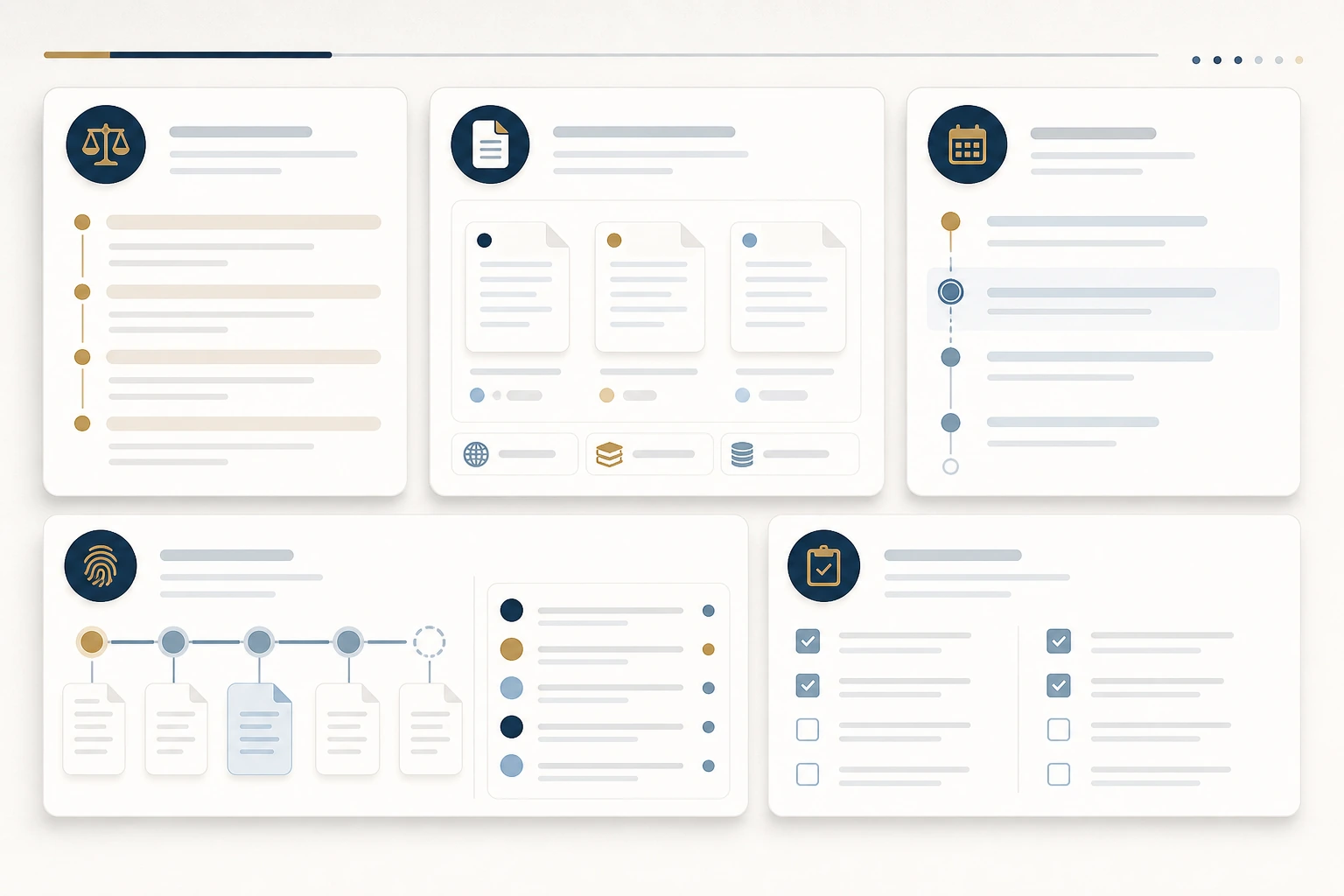
Conservative procedure outline

Identify whether it is a review or inquiry

ANU's learner guidance distinguishes a review, usually handled by a course convener for less serious or potentially excusable coursework issues, from an inquiry where potential academic misconduct is considered by an inquiry officer or panel.

Read the notice against the rule language

List the conduct alleged, the assessment or thesis affected, the materials ANU says will be considered, the meeting details, support-person information, and whether written material can be provided instead of or alongside attendance.

Answer the specific evidence

Use drafts, document metadata, source notes, lab books, reference records, collaboration messages, permitted-assistance instructions, AI-use declarations and LMS history to explain what happened. Avoid a general denial that never engages with the documents.

Preserve appeal issues early

Keep the notice, disclosed materials, outcome reasons, dates, support requests and any missing evidence. ANU's learner guidance says appeal information is provided in the outcome letter, so use the actual letter to identify the current appeal route and timeframe.

Evidence and deadline cautions

Poor academic practice is not the same as no breach

ANU's learner guidance describes poor academic practice as a breach that may be unintended, careless, inadvertent, uninformed or excusable in a less serious context. If that is the real issue, the response should explain learning context and evidence carefully.

Serious matters can be referred

The guidance says serious potential breaches may be referred to Student Conduct and Appeals as potential academic misconduct. Treat the stage of the matter as important because the decision-maker and possible actions may differ.

Support and response options matter

The public guidance refers to support through ANUSA or the Dean of Students and says students may attend, bring a support person, and provide written statements in review or inquiry processes. Check the current notice before relying on any option.

Common weak points

Responses often become weaker when they ignore the exact policy allegation, provide only emotional context, omit draft evidence, fail to separate authorised collaboration from collusion, or apologise in wording that unintentionally admits dishonest intent.

If plagiarism, source use or recycling is alleged

Collect the assessment instructions, originality declaration, reference list, notes, drafts, file history and any previous submission records. Explain the work process and any mistake in a way that matches the documentary record.

If AI use, collusion or contract cheating is alleged

Preserve prompts or tool logs if available, tutoring communications, group-work instructions, message records, file access history and drafts. The response should distinguish legitimate help from conduct the ANU rule may treat as a breach.

Getting help before you respond or appeal

Get student support contact

If you need private help reviewing the notice, evidence and response structure, use the student contact form or the main contact page.

General information only

This public guide is general information for students preparing documents. It is not legal advice, does not replace ANU's official notice, rule, policy or procedure, and does not guarantee any academic, disciplinary, enrolment, professional registration or migration outcome.