How to Craft a Response to Deny Allegations of Academic Misconduct
If you deny an academic misconduct allegation, the university is usually not deciding whether you sound offended. It is deciding whether your explanation stands up against the evidence it has already identified. A strong denial response is usually calm, specific, document-backed, and organised around the actual allegations, not around general statements about your character. The task is to show how the work was produced, why the alleged indicators do not prove misconduct, and where the university's interpretation may be incomplete or wrong.
Quick answer
A strong denial response usually does five things. First, it identifies the exact allegation type, evidence, and deadline. Second, it breaks the allegation into points instead of treating it as one vague accusation. Third, it reconstructs how the work was actually created using drafts, notes, version history, research traces, or other process evidence. Fourth, it answers suspicious similarities, overlaps, or AI-use concerns directly rather than hoping the university will overlook them. Fifth, it keeps the tone factual and disciplined. The most common mistake is denying everything in broad language without giving the decision-maker a document-based way to believe you.
How to use this guide
Start with the allegation wording so the response answers the actual case being put against you.
Map the evidence before denying, including drafts, notes, version history, and research records where available.
Avoid blanket denial where the documents require a more precise explanation.
Keep the tone factual so the decision-maker can follow your answer point by point.
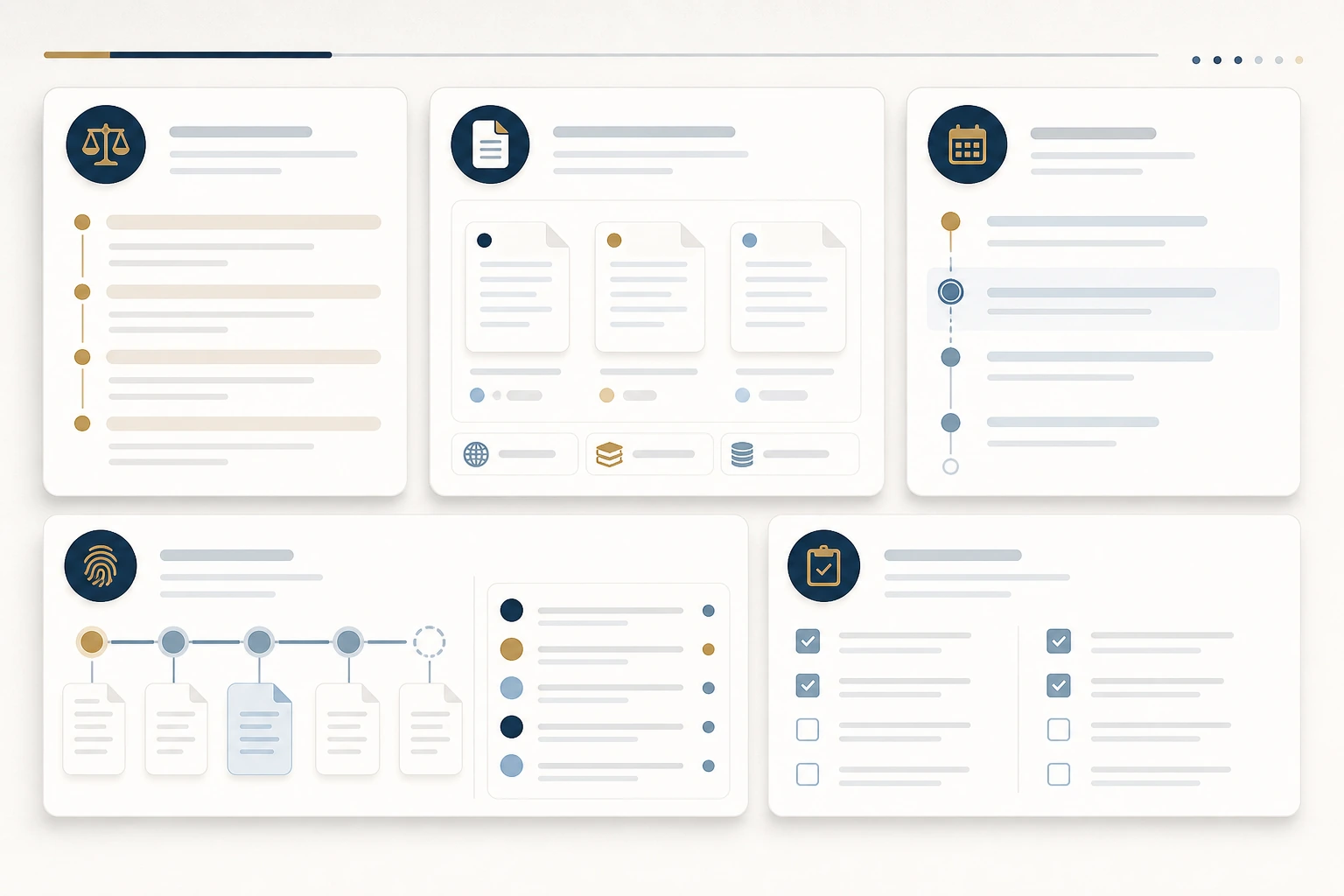
A denial response is stronger when the allegation, evidence, deadline, authorship trail, and point-by-point answers are organised before drafting.
Before drafting, map the notice into allegation points, evidence relied on, deadline, and the documents that show how the work was produced. A structured evidence map makes the response easier to test and easier for a decision-maker to follow.
What the allegation really tests when you deny misconduct
The university is testing explanation against evidence
In most misconduct cases, the issue is not whether you insist you are innocent. The issue is whether your account fits the material the university already has, such as similarity reports, metadata, authorship indicators, file history, exam scripts, witness accounts, or unusual assessment patterns.
Different allegation types need different answers
A plagiarism allegation, collusion allegation, contract cheating suspicion, or AI-misuse concern should not all be answered the same way. The response should reflect the actual concern being raised, because the proof issues differ.
Credibility usually comes from process evidence
Where students deny misconduct successfully, it is often because they can show a believable work process, not because they simply repeat that they worked hard or would never cheat.
Tone still matters
You can deny the allegation firmly without sounding hostile. Defensive accusations against the marker, investigator, or university often distract from the evidence that really decides these matters.
A practical way to think about the task
A denial response usually works best when it answers three questions clearly. What exactly is being alleged. What evidence is the university relying on. What material can you provide that gives a better explanation of how the work was produced. If those three questions are not handled properly, the response can feel indignant but still unconvincing.
How to review the notice and evidence before writing anything
Identify the exact allegation label
Check whether the notice alleges plagiarism, collusion, exam cheating, contract cheating, unauthorised AI use, falsified data, or another integrity breach. The wording matters because your response should track the actual allegation, not a rough guess.
Ask what evidence the university is relying on
Do not assume the notice tells you everything. The file may include comparison scripts, Turnitin or text-matching reports, authorship-detection notes, screenshots, LMS activity, or interview concerns. A careful response starts with understanding the evidence set as fully as possible.
Mark the suspicious points one by one
If the allegation refers to matched wording, unusual citations, AI-style phrasing, overlap with another student, or inconsistent referencing, list each issue separately. This makes it easier to answer with precision instead of drafting one long general denial.
Do not let the deadline disappear while you investigate
Misconduct notices often come with short response periods. If you need more time to gather evidence, think early about the safest way to request it rather than waiting until the deadline is almost over.
Why this review stage matters
Many weak responses are written before the student has properly analysed the case theory being put against them. Once you understand the exact concern, the response can shift from emotional denial to evidentiary explanation.
What authorship and process evidence usually helps when you deny the allegation
Drafts and version history
These can help show development over time, especially where the concern is plagiarism, AI authorship, or outsourcing.
Research notes and source trails
Reading notes, annotated articles, citation lists, database history, and saved sources can help demonstrate how your ideas and references were built.
Timeline evidence
Email timestamps, cloud revision logs, download records, LMS activity, and meeting notes can help place the work process in time.
Where similarity is the issue
If the allegation relies on matched text, identify whether the overlap is from common terminology, properly referenced material, template wording, shared source use, or something more suspicious. A response that engages with the matching passages directly is usually stronger than one that only objects to the software score.
Where collusion is the issue
You may need to explain how any contact with another student occurred, what material was shared or not shared, and why the similarities do not establish unauthorised collaboration. The detail matters, because vague social explanations often sound evasive.
Where AI misuse is the issue
Be careful and specific. If you used permitted tools, describe how. If you did not use prohibited generative tools, explain your actual workflow, drafts, and note development. Universities are increasingly attentive to authorship indicators, so unsupported blanket denials can be risky.
Where there were genuine academic mistakes
Sometimes the evidence may support poor referencing, weak paraphrasing, or bad note separation without proving deliberate dishonesty. That distinction can matter greatly to outcome and penalty, but it only helps if it is explained carefully and honestly.
A workable structure for the denial response
1. Opening position
Identify the notice, subject, assessment, and date, then state clearly that you deny the allegation of academic misconduct or deny the intentional misconduct finding being suggested.
2. Short case overview
Explain, in a few lines, what your position is. For example, that the work was your own, that any overlap has an innocent explanation, and that supporting materials are attached.
3. Point-by-point response
Take each allegation point separately. Quote or summarise the concern, then answer it with explanation and document references. This is usually the core of the response.
4. Process reconstruction
Set out how you researched, drafted, revised, and submitted the work. This often helps the decision-maker see the work as a real student process rather than an unexplained final product.
5. Evidence index
List your attachments clearly so the reviewer can see what each item proves. This is often much more persuasive than attaching a large bundle with no explanation.
6. Closing request
End by asking that the allegation be dismissed or reconsidered in light of the evidence, while maintaining a respectful and professional tone.
The drafting shift that usually helps most
Move from broad innocence language to testable explanation. Instead of saying only, "I did not do this," show the work trail, answer the suspicious points, and let the structure help the decision-maker follow why the allegation should not be sustained.
When partial admission, nuance, or distinction may matter
Denying intentional misconduct is not always the same as denying every problem
Some students deny plagiarism or collusion as intentional dishonesty, but accept there were citation mistakes, messy note practices, or poor academic technique. If that is the truth, careful distinction can be more credible than a total denial that the evidence does not support.
Do not over-admit out of panic
You should not admit serious misconduct just because the process feels intimidating. The safer position depends on the evidence, the exact allegation, and whether an innocent or lower-level explanation is genuinely available.
Do not over-deny clear weaknesses either
If there are obvious citation problems or drafting mistakes, pretending they do not exist can damage your credibility. A measured response is often stronger than an unrealistic one.
Why this distinction matters
Universities often assess intention, extent, student experience level, and context. The response should help the decision-maker see the right category of problem, not the harshest one by default.
Common mistakes that weaken denial responses
Ignoring the exact evidence
A response that never addresses the matched passages, authorship concerns, or file-history questions often feels incomplete, even if the student is genuinely innocent.
Providing documents without explanation
Drafts and notes only help if the university can understand what they show and how they answer the allegation.
Using emotional attacks instead of analysis
Calling the process unfair may sometimes be understandable, but a stronger response usually spends more time on evidence than on outrage.
Submitting inconsistent explanations
If the chronology, drafts, and response letter do not match, the denial can become less believable very quickly.
Inventing or changing evidence
This is extremely risky. False supporting material can create a second misconduct problem that is often worse than the first allegation.
Missing the chance to explain authorship process
Students sometimes assume the final paper speaks for itself. In a misconduct case, the path by which the paper came into existence may matter just as much as the finished document.
Source checkpoints behind this guide
University misconduct and integrity rules matter because the process is evidence-based
Australian universities generally frame misconduct responses around notice, evidence, student explanation, and institutional decision-making. The exact terminology differs, but the practical drafting problem is consistent: answer the allegation using material the university can test.
Academic integrity guidance often distinguishes mistakes from serious dishonesty
That distinction is important because some cases are really about poor academic practice, while others are framed as deliberate misconduct. A response that ignores the category question can misread the whole case.
Official process pages should still be checked directly
This page is a general Australian guide, not a substitute for your university's actual notice, policy wording, or submission instructions. Always compare your draft against the current institutional process before filing it.
Why these sources matter
This page is designed as a practical drafting guide, not a promise about outcomes. The official rules still control the process. The value of the guide is in helping students organise a denial response in a way that is evidence-led, coherent, and safer than a reactive one-page denial.
If your case is broader than a simple denial letter
You may need an allegation-stage overview first
Some students are not ready to draft yet. They still need to understand the allegation type, the likely process, possible hearing steps, and the difference between admitting a problem, denying misconduct, or making a narrower explanation. If that is your position, start with the broader misconduct pages below before returning to this drafting guide.
Hearing preparation can become a separate task
If the university has already scheduled an interview, meeting, or hearing, the written denial is only one part of the file. You may also need a chronology, document order, explanation of suspicious passages, and a calm oral account that matches the written response.
Progression risk can change the next best page
If the allegation is already affecting continuation, suspension, or exclusion risk, the safer next reading step may be a show-cause or progression-response page rather than another generic misconduct article.
When this guide is not enough
This guide focuses on drafting a denial response. Students with broader process, hearing, escalation, or progression questions should also read the related misconduct and show-cause resources instead of forcing every case into a single denial-letter template.
Useful if the allegation has already started affecting progression, suspension, or continuation risk and you now need to explain the broader academic consequences.
Good if you still need to separate plagiarism, collusion, AI misuse, show cause, appeals, and review pathways before you act.
Common questions
What should a denial response usually prove?
It should usually identify exactly what is alleged, answer each allegation point directly, explain how the work was actually produced, and attach evidence that supports authorship or a non-misconduct explanation.
Is saying that I would never cheat enough?
Usually no. Character statements can help with tone, but the decision is more likely to turn on evidence, chronology, work process, and whether the suspicious features have been answered properly.
Can I accept poor referencing but deny plagiarism?
Sometimes that distinction matters. Where the evidence supports academic mistakes but not deliberate dishonesty, a measured response can be more credible than a total denial of every weakness. The safest position depends on the facts.
What if the allegation mentions AI?
Be specific about your actual workflow, note development, drafts, and permitted tools. Unsupported blanket denials are often weaker than a careful process explanation.