
Read the allegation notice closely
Identify the assessment, conduct alleged, policy or procedure links, evidence provided, response deadline, and whether ACU is asking for a written response, interview, or both.
This page helps Australian Catholic University students orient themselves after an academic integrity or academic misconduct notice, before they prepare a written response, attend an interview, or consider appeal issues.
ACU's current policy and procedure distinguish poor academic practice from academic misconduct, require written notice of an allegation that proceeds, and give the student an opportunity to respond. A stronger response usually maps the allegation to the assessment instructions, evidence, authorship history, source use, intent, prior learning, and any procedural fairness concern without overstating what the documents can prove.
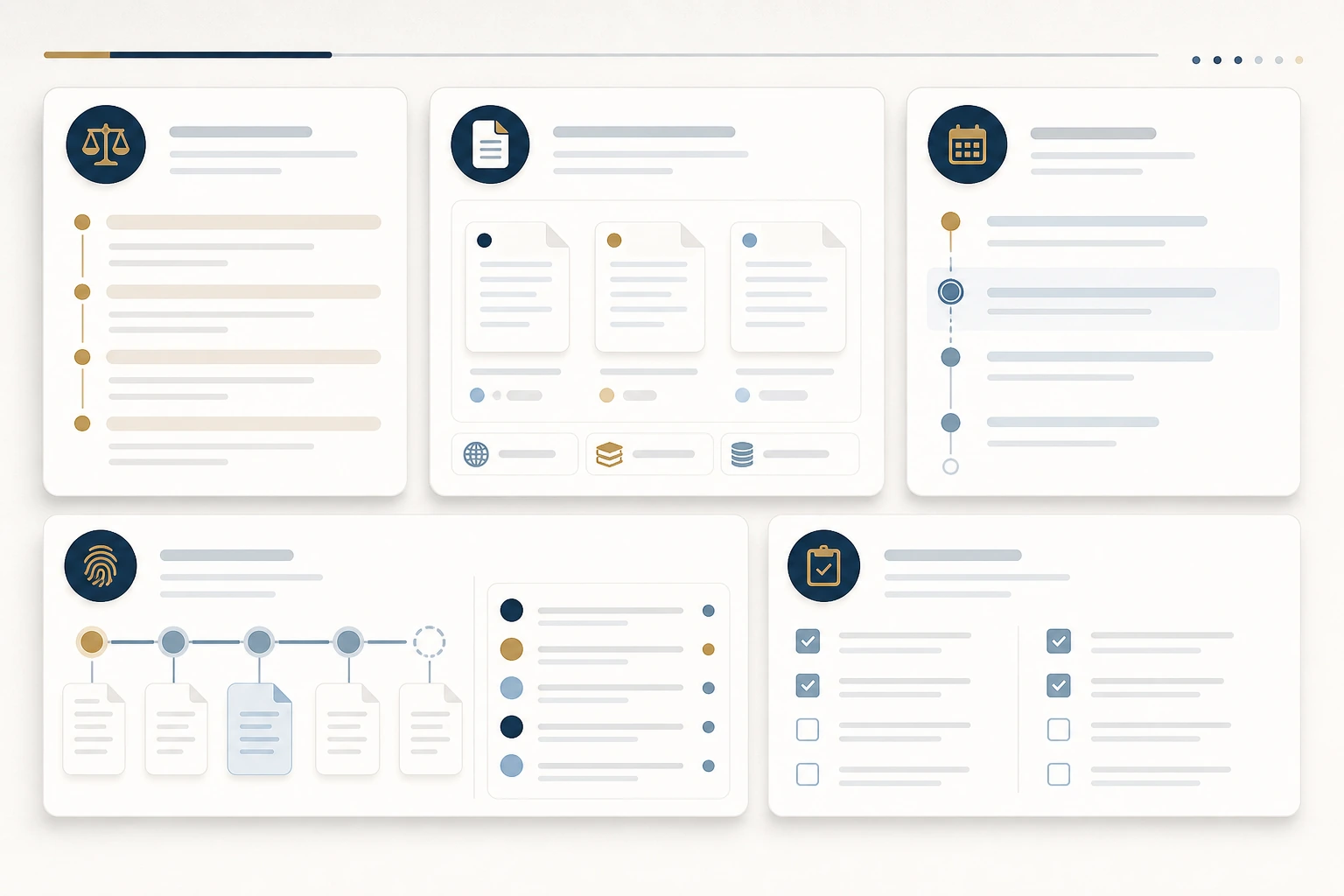
Match the allegation to the institution’s current procedure before deciding tone, admission position, and evidence.
Identify the assessment, conduct alleged, policy or procedure links, evidence provided, response deadline, and whether ACU is asking for a written response, interview, or both.
ACU's procedure describes preliminary analysis and eligibility assessment before a matter proceeds. Your response should address the seriousness, learning context and any evidence that supports a lower-risk classification if that is accurate.
Do not rely only on a general denial or apology. Compare the allegation with drafts, document metadata, notes, references, similarity material, collaboration records, AI-use declarations, and the unit instructions.
If a decision has not yet been made, keep a record of deadlines, materials disclosed, interview details, support-person requests, and any missing evidence. If a decision has been made, compare the reasons with ACU's appeal pathway before drafting.
ACU's procedure refers to an opportunity to prepare and submit a written response after notification of an alleged academic misconduct matter. Treat the deadline in the actual notice as controlling and seek clarification early if it is unclear.
ACU's procedure says a student may be accompanied in discussions or interviews by one support person, other than a person with a qualification in law, subject to the procedure's limits. Check the current wording before arranging support.
The procedure refers to confidential, independent advice from the Student Advocacy Service. That can be important before deciding whether to admit, partly admit, deny, or explain context.
Responses often become weaker when they ignore the exact allegation, rely on emotion alone, omit drafts or source records, blame another student without evidence, make broad legal threats, or apologise in a way that unintentionally admits dishonest intent.
Collect the unit instructions, assessment declaration, permitted-tools guidance, prompts or tool logs if available, drafts, version history and references. Explain the actual work process in a way that matches the records.
Preserve messages, group-work instructions, contribution records, tutoring communications, file access history and draft development. Separate legitimate cooperation from any conduct the policy may treat as misconduct.
If the allegation is clear but your documents are scattered, start with the Academic Appeal Evidence Checklist and the Academic Appeal Timeline Guide.
For broader drafting guidance, read Academic Misconduct Defence and How to craft a response to deny allegations of academic misconduct.
If you need private help reviewing the notice, evidence and response structure, use the student contact form or the main contact page.
This public guide is general information for students preparing documents. It is not legal advice, does not replace ACU's official notice, policy or procedure, and does not guarantee any academic, disciplinary, enrolment, professional registration or migration outcome.